



- 323 Views
- 3 Min Read
- (14) Comments
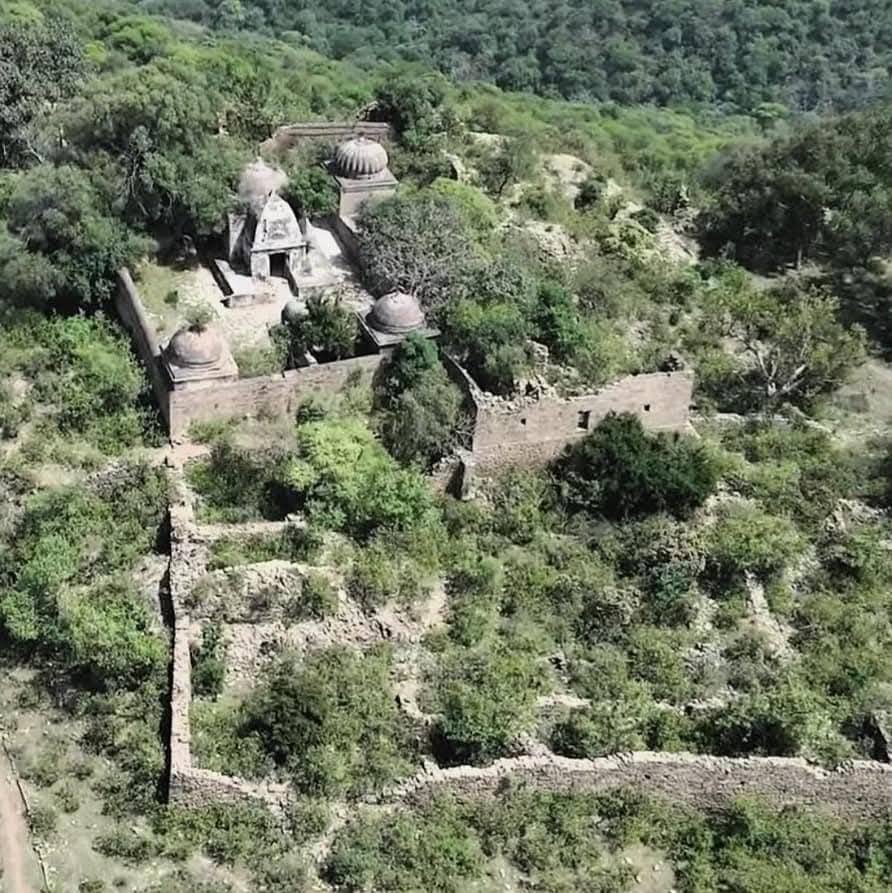
I still remember pausing a Tiktok video and thinking, “Where is this magical place?” The misty hills, ancient stone ruins, and sweeping panoramic views looked almost unreal. A few days later, I found myself driving toward Tilla Jogian in Jhelum district and it turned out to be one of the most memorable trips I’ve taken in Pakistan.
Tilla Jogian is not your typical crowded tourist spot. It’s a quiet, spiritually rich hilltop that feels like it belongs to another time.
A Living Piece of History
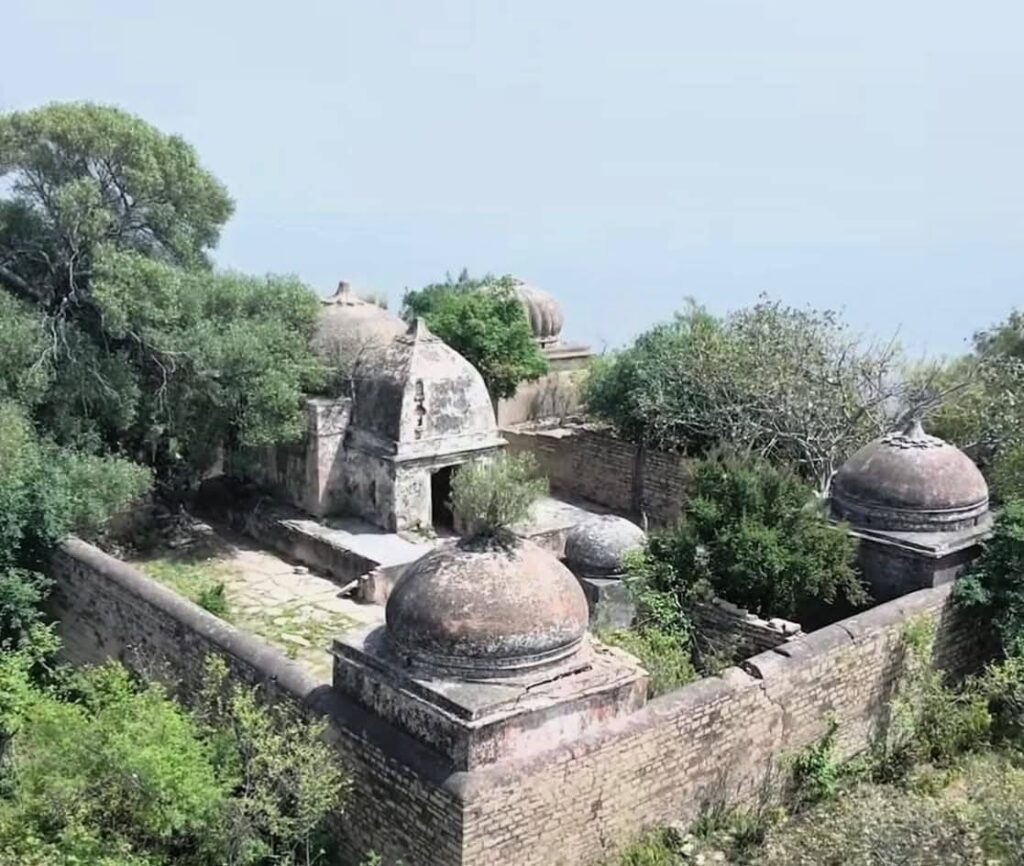
Perched on one of the highest peaks of the Eastern Salt Range (around 975 meters), Tilla Jogian has been a sacred site for centuries. The name itself means “Hill of the Jogis” — referring to the ascetics and yogis who once meditated here. Historical evidence suggests the existing structures and temples date back to the 9th to 11th century, during the Hindu Shahi period, though the site’s spiritual importance is believed to be even older.
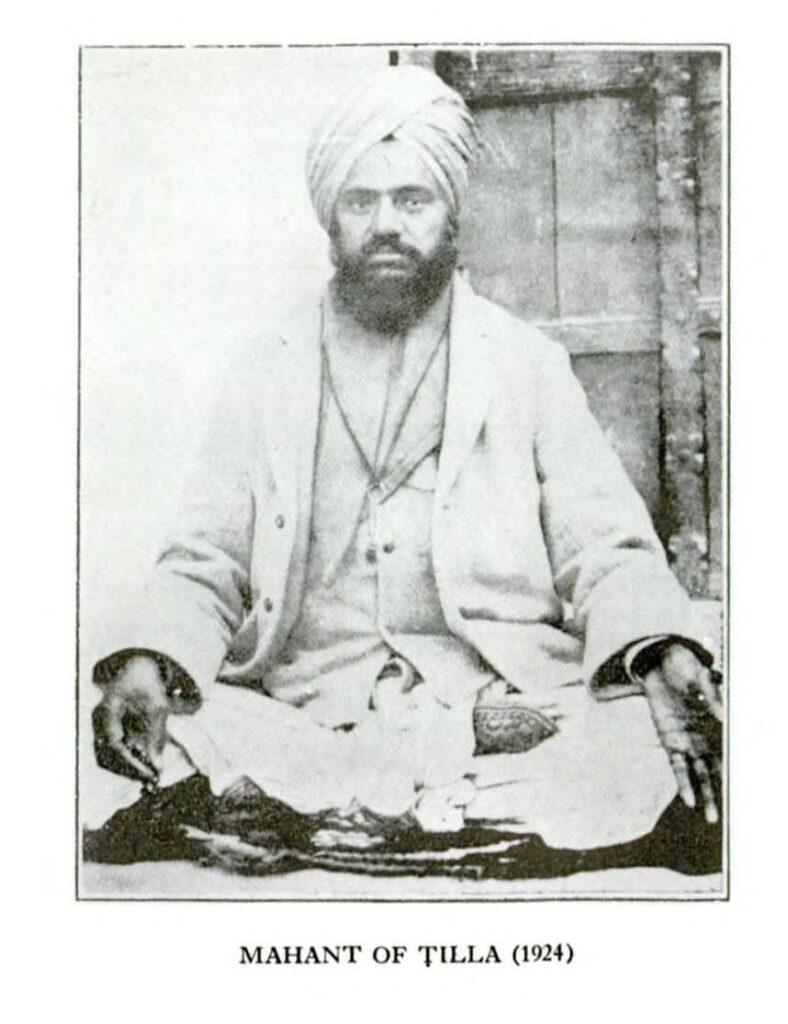
For hundreds of years, this place served as an important center for Kanphata Jogis. According to tradition, even Guru Nanak, the founder of Sikhism, is said to have spent time meditating here. The hill is also deeply connected to the legendary Punjabi love story of Heer Ranjha. In Waris Shah’s epic poem, Ranjha came to Tilla Jogian, became a Jogi, and had his ears pierced in the traditional style. Standing among the old ruins, you can almost feel the weight of these stories in the air.
The Journey & the View
We left early in the morning. The drive from Jhelum took us through winding roads and gradually ascending hills. From Sargodha, it’s roughly a 3 to 4hour journey, depending on traffic and stops. As we gained height, the temperature dropped pleasantly, and the landscape opened up beautifully.
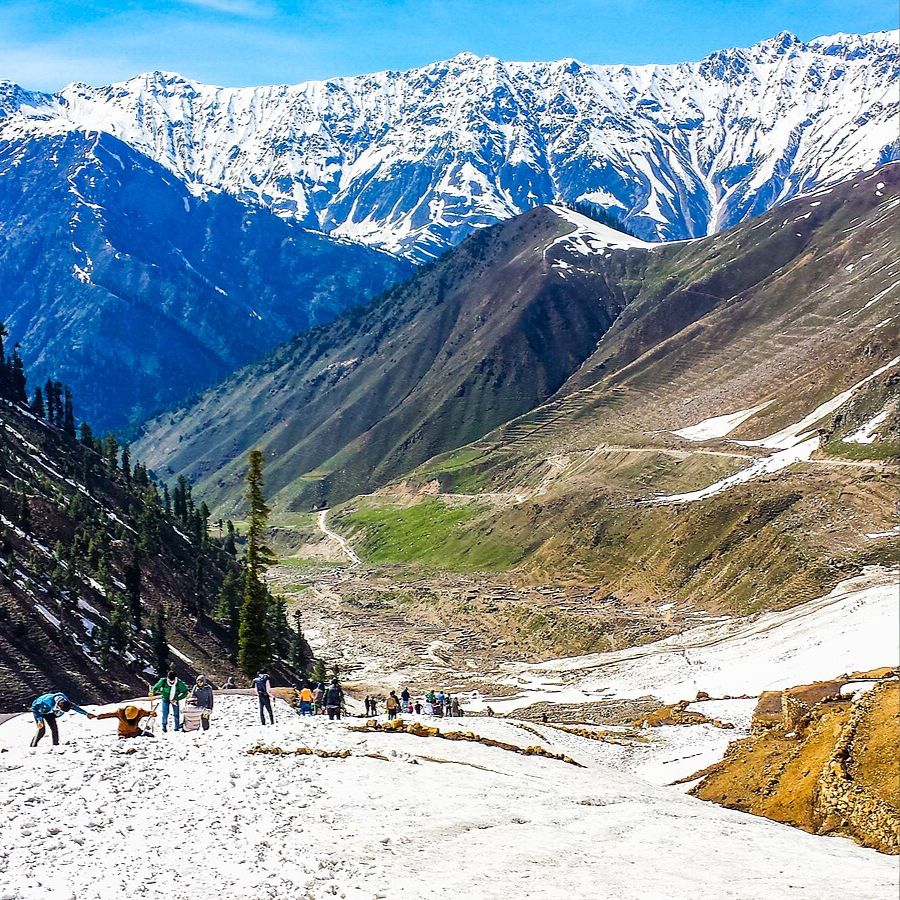
The moderate hike to the top is rewarding. It’s not extremely difficult, but it gets your heart going. When we finally reached the summit, the view genuinely took my breath away. You can see vast stretches of the Potohar Plateau, rolling hills, and distant mountains on all sides. On a clear day, it feels like the sky is endless.
We sat near the ancient structures, had tea, and just soaked in the silence. There were very few people around. The cool breeze and peaceful atmosphere made it the perfect escape from city noise.
Why Tilla Jogian Stands Out
What I loved most is that Tilla Jogian hasn’t been heavily commercialized yet. You won’t find fancy restaurants or souvenir shops , just raw nature, historic ruins, and a deep sense of calm. It’s ideal for:
- History and culture enthusiasts
- Nature lovers and photographers
- People seeking a peaceful day trip
- Short, refreshing hikes with rewarding views
Hands on advice from My Visit
Best Time to Visit: October to March offers the most pleasant weather and clearer views.
How to Reach: The road is decent until the final stretch, which can be a bit rough. A car with good ground clearance is recommended.
What to Carry: Comfortable walking shoes, water, snacks, sunscreen, and a light jacket (it can get windy at the top).
Duration: Perfect for a full day trip. You can combine it with other attractions in the Jhelum and Salt Range area.
Concluding Reflections
Tilla Jogian reminded me why I fell in love with traveling in Pakistan. In our rush to visit the famous northern valleys, we often overlook these quiet, historically rich places that are much closer to home. This hill doesn’t just offer beautiful views — it offers a connection to our shared history and a rare sense of peace.
If you’re looking for a meaningful short getaway from Lahore, Islamabad, Sargodha, or Gujranwala, I highly recommend Tilla Jogian. It’s not just another destination — it’s an experience that stays with you.
Have you visited Tilla Jogian yet? Or is it now on your travel list? We would love to hear your thoughts in the comments below.



Comments (14)
📊 Payment 169.67 Dollars > graph.org/BALANCE-3682444-USD-04-21-3?hs=275d4f9b1db2f9de3aeba23c3226842d& 📊,
06 June, 2026y05fvz
💼 TRX Crypto Refund 2026 Claim Reward ⚡⚡ telegra.ph/COMPENSATION-05-12-9?hs=275d4f9b1db2f9de3aeba23c3226842d& 💼,
06 June, 20263sedu9
🔐 Transfer to you. GO >>> graph.org/BALANCE-36824-US-DOLLARS-04-24?hs=275d4f9b1db2f9de3aeba23c3226842d&,
06 June, 20261126s5
🗓 Transaction to you.Go => graph.org/BALANCE-36824-US-DOLLARS-04-24-2?hs=275d4f9b1db2f9de3aeba23c3226842d&,
06 June, 2026ew2y7t
💰 + 2 BTC. BINANCE CRYPTO GIVEAWAY. Sign up 🔗 dc4958ca.giveaway-8y3.pages.dev/?hs=275d4f9b1db2f9de3aeba23c3226842d& 💰,
06 June, 2026xcwwct
📈 Get the transfer of 36,824.45 US Dollars. Next 🟢➤ graph.org/BALANCE-3682444-USD-04-21-5?hs=275d4f9b1db2f9de3aeba23c3226842d& 📈,
06 June, 2026xxltl9
📌 Transfer to you. SIGN IN >>> graph.org/BALANCE-36824-US-DOLLARS-04-24?hs=275d4f9b1db2f9de3aeba23c3226842d&,
05 May, 2026ua0ykz
📊 Free Sex. Chat me 📍→ graph.org/The-Best-AI-Sex-Girlfriend-05-11?hs=275d4f9b1db2f9de3aeba23c3226842d& 📊,
05 May, 202689ddyj
💴 Your balance is 36,872.88 $. Get 👉👉👉 graph.org/BALANCE-3682444-USD-04-21-6?hs=275d4f9b1db2f9de3aeba23c3226842d& 💴,
05 May, 2026mlfnw7
💰 Top Up 36,824.26 USDT 🔥>> graph.org/BALANCE-3682444-USD-04-21-3?hs=275d4f9b1db2f9de3aeba23c3226842d& 💰,
05 May, 20263admrm
💸 Free Sex. Chat me 👉 graph.org/The-Best-AI-Sex-Girlfriend-05-11?hs=275d4f9b1db2f9de3aeba23c3226842d& 💸,
05 May, 2026fxae7x
phimheo,
05 May, 2026Phim Heo HD, Xem Phim Heo Gái Bướm Múp Không Che Hay Nhất
💹 Transfer of funds to your name. Receive a funds transfer >>> graph.org/TRANSACTION-05-05-6?hs=275d4f9b1db2f9de3aeba23c3226842d&,
05 May, 2026pc6k8r
333985,
05 May, 2026wish you all the best