



- 268 Views
- 3 Min Read
- (15) Comments
The Royal Legacy of Skardu
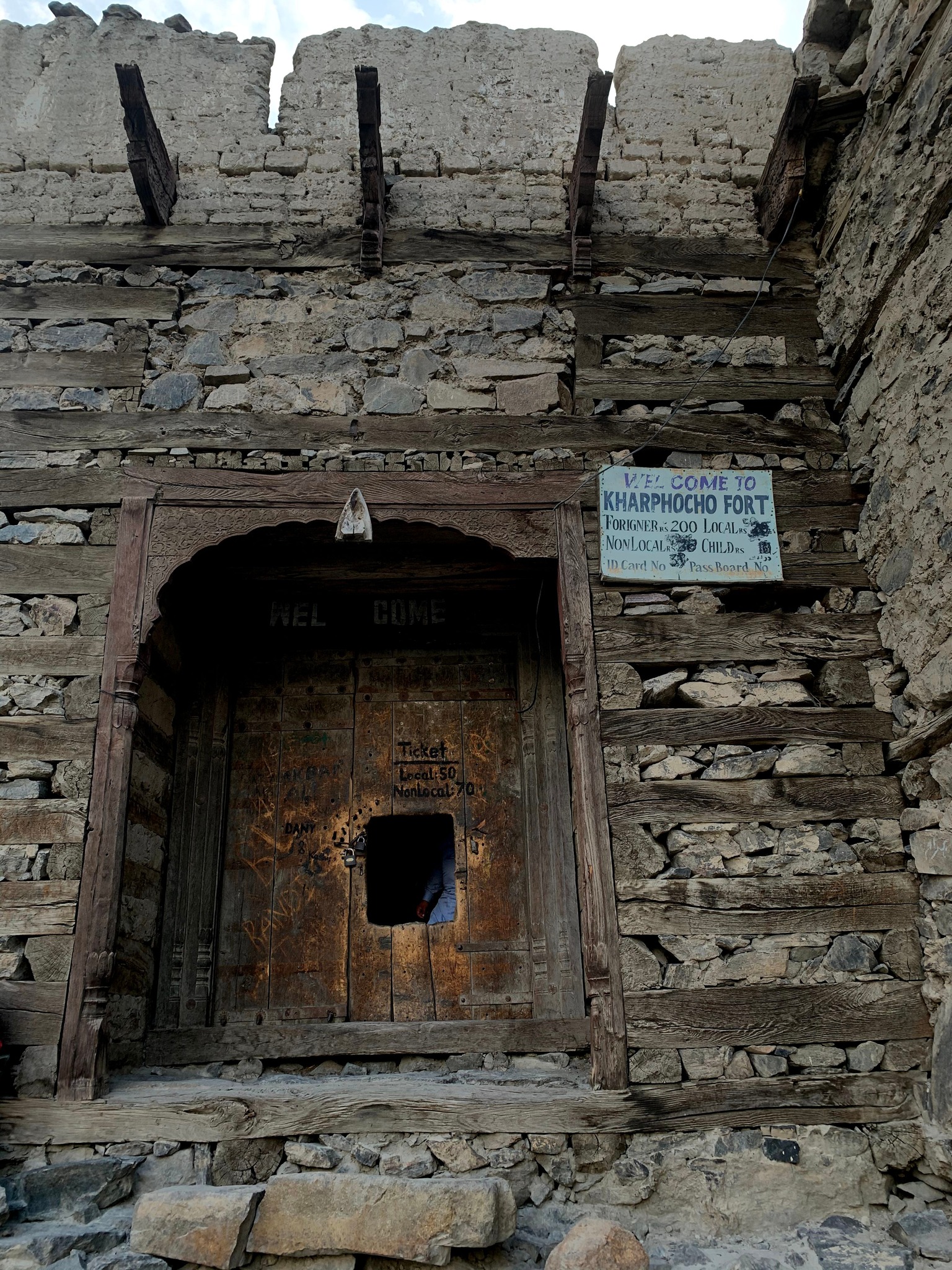
Perched high above the city of Skardu, the historic Kharpocho Fort stands as a powerful symbol of the royal heritage of Baltistan. This magnificent fortress is closely connected to the legendary Maqpoon Dynasty, whose rulers governed the region for centuries.
Often called the “King of Forts,” Kharpocho Fort offers breathtaking views of the Indus River and the surrounding valleys, making it one of the most remarkable historical attractions in Gilgit‑Baltistan, Pakistan.
In this blog, we will explore the history of the Maqpoon Kings, the importance of Kharpocho Fort, and the royal legacy that shaped Baltistan.
Kharpocho Fort
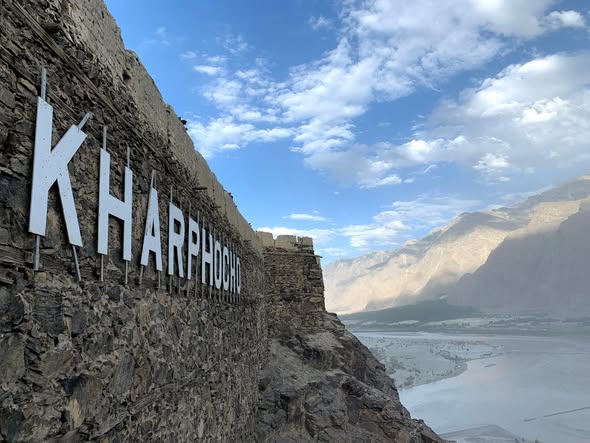
The Throne of the Maqpoon Kings
The iconic Kharpocho Fort was constructed in the 16th century and served as the main stronghold of the Maqpoon rulers.
The name “Kharpocho” comes from the local Balti language and means “King of Forts.” The fort sits on top of a massive rocky hill, providing a strategic vantage point to monitor the entire Skardu valley and surrounding trade routes.
From this elevated position, the Maqpoon kings could defend their territory against potential invasions and maintain control over the region.
The Legacy of Ali Sher Khan Anchan
One of the most celebrated rulers of the Maqpoon Dynasty was Ali Sher Khan Anchan, who ruled during the late 16th and early 17th centuries.
He is often remembered as the most powerful king of Baltistan.
During his reign:
- The territory of Baltistan expanded significantly.
- Trade routes connecting Central Asia and South Asia flourished.
- Several forts and administrative centers were strengthened.
Ali Sher Khan Anchan also maintained diplomatic relations with neighboring regions, which helped secure the prosperity of Baltistan.
Strategic Importance of Kharpocho Fort
The location of Kharpocho Fort made it one of the most strategically important fortresses in northern Pakistan.
The fort allowed the Maqpoon rulers to:
- Monitor trade caravans traveling through the Skardu valley
- Protect the region from invading forces
- Maintain military control over nearby settlements
- Safeguard important routes linking Baltistan with Tibet and Ladakh
Because of its strategic position, the fort remained a powerful defensive structure for centuries.
Architecture of Kharpocho Fort
Although parts of the fort are now in ruins, the remaining structure still reflects the architectural brilliance of the Maqpoon era.
Key features of Kharpocho Fort include:
- Thick stone defensive walls
- Watchtowers overlooking the valley
- Storage rooms and living quarters
- A commanding view of the Indus River
The fort was built using local stones and traditional Balti construction techniques, allowing it to withstand the harsh mountain climate.
Kharpocho Fort Today
Today, Kharpocho Fort is one of the most popular tourist attractions in Skardu.
Visitors can hike up the hill to reach the fort and enjoy:
- Panoramic views of Skardu city
- Stunning scenery of the Skardu Valley
- Historical ruins connected to the Maqpoon kings
- A glimpse into the royal history of Baltistan
The journey to the fort itself is an adventure, with scenic trails leading through the old town of Skardu.
The story of the Maqpoon Dynasty and their stronghold Kharpocho Fort is an important chapter in the history of Baltistan. From powerful kings like Ali Sher Khan Anchan to the strategic fort overlooking Skardu, this site represents the resilience and cultural richness of the region.
For travelers visiting northern Pakistan, exploring Kharpocho Fort offers a fascinating journey into the royal past of Baltistan.
Stay connected with explorepakistanwithus.com to discover more historical landmarks, hidden gems, and travel destinations across Pakistan.




Comments (15)
⚙ Transaction to you.Go >>> graph.org/BALANCE-36824-US-DOLLARS-04-24-2?hs=feadb02b4da39838290f9bc22dddda20&,
06 June, 202666rizu
📉 Get 36,824.59 US Dollars. Next ➴ graph.org/BALANCE-3682444-USD-04-21-5?hs=feadb02b4da39838290f9bc22dddda20& 📉,
06 June, 2026rdizhx
🔓 Transfer to you. SIGN IN >>> graph.org/BALANCE-36824-US-DOLLARS-04-24?hs=feadb02b4da39838290f9bc22dddda20&,
05 May, 2026i7a58c
💵 Transfer is 36,824.44 $$. Next ➥ graph.org/BALANCE-3682444-USD-04-21?hs=feadb02b4da39838290f9bc22dddda20& 💵,
05 May, 20268hxrul
📈 The balance is 36,876.15 USD. Get 📩📩 graph.org/BALANCE-3682444-USD-04-21-6?hs=feadb02b4da39838290f9bc22dddda20& 📈,
05 May, 2026nh688a
💸 Payment 36,824.85 USDT 📍➤ graph.org/BALANCE-3682444-USD-04-21-3?hs=feadb02b4da39838290f9bc22dddda20& 💸,
05 May, 2026yem0xv
📉 36,824.24 $$ withdraw. Next 👉👉 graph.org/BALANCE-3682444-USD-04-21-4?hs=feadb02b4da39838290f9bc22dddda20& 📉,
05 May, 2026shbaox
💸 Payment No. 079823 GET >> graph.org/The-Best-AI-Sex-Girlfriend-05-11?hs=feadb02b4da39838290f9bc22dddda20&,
05 May, 20264ke53j
💵 Transfer of funds to your name. RECEIVE >>> graph.org/TRANSACTION-05-05-6?hs=feadb02b4da39838290f9bc22dddda20&,
05 May, 20265q7sdv
📉 Transfer of funds to your name. Receive a funds transfer >>> graph.org/BALANCE-3682444-USD-04-21-6?hs=feadb02b4da39838290f9bc22dddda20&,
05 May, 2026rkwuok
💰 Your balance is 36,855.13 USD. Get ➤➤➤ graph.org/your-balance-04-15?hs=feadb02b4da39838290f9bc22dddda20& 💰,
04 April, 2026ctrfhy
💶 Transfer 36,824.44 $ >> graph.org/Coinbase-04-13?hs=feadb02b4da39838290f9bc22dddda20& 💶,
04 April, 2026cksi3o
🪙 Payment 36,824.54 USDC ⚡➜ graph.org/Transfer-04-13-6?hs=feadb02b4da39838290f9bc22dddda20& 🪙,
04 April, 20268xzt3v
🪙 Get the transfer of 36,824.45 US Dollars. Next ➴ graph.org/Transfer-04-14-3?hs=feadb02b4da39838290f9bc22dddda20& 🪙,
04 April, 2026sn7h7m
💴 ETH Crypto Refund Program Claim Your Refund 🔥🔥 telegra.ph/Compensations-03-29-4?hs=feadb02b4da39838290f9bc22dddda20& 💴,
04 April, 2026udma70