

To More Inquiry

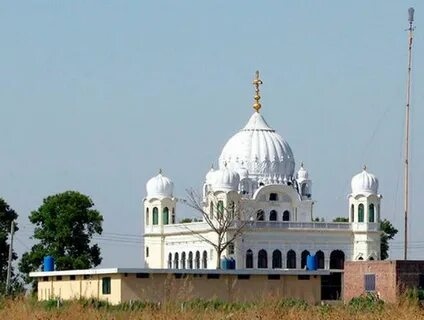
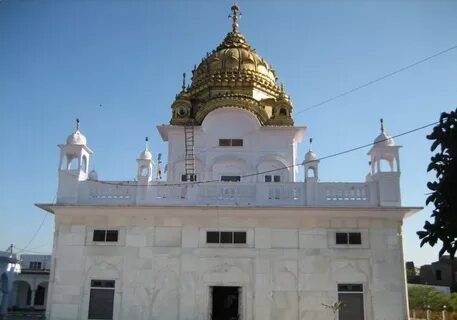
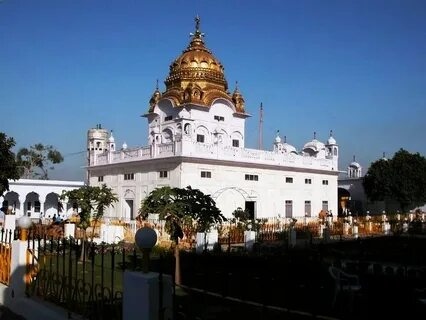
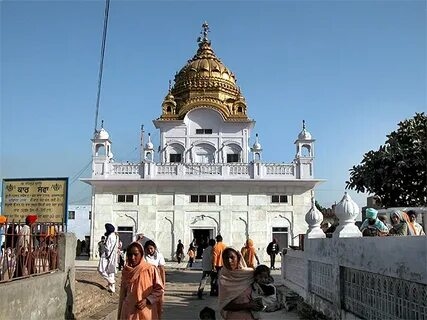
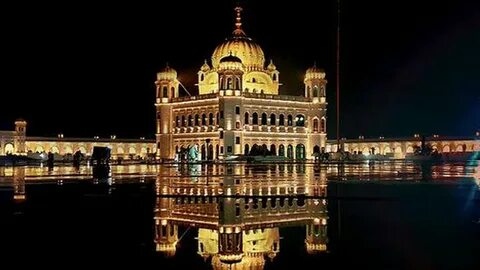
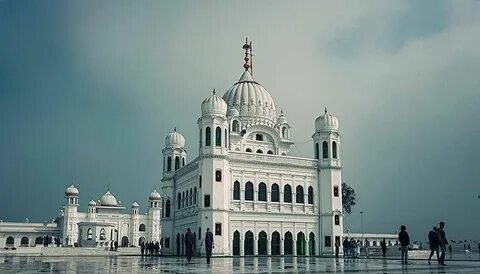
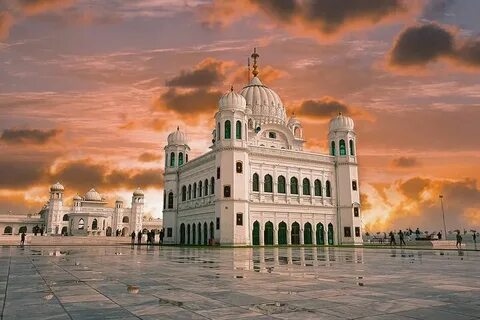
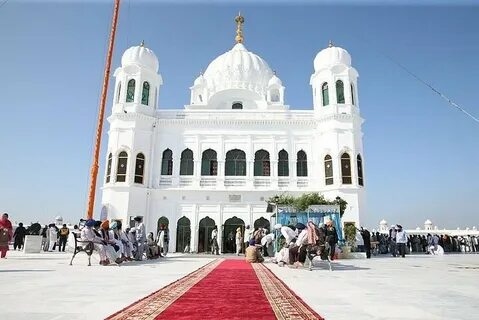
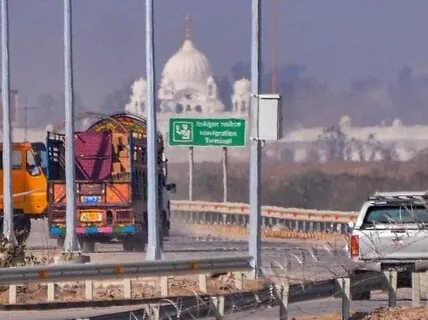
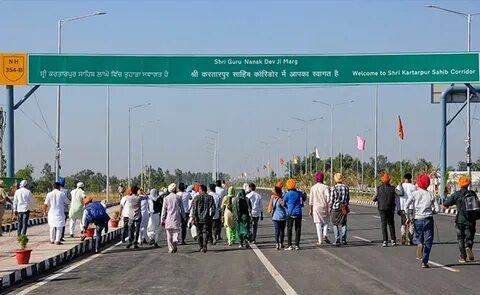
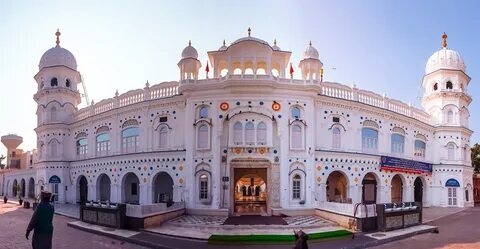
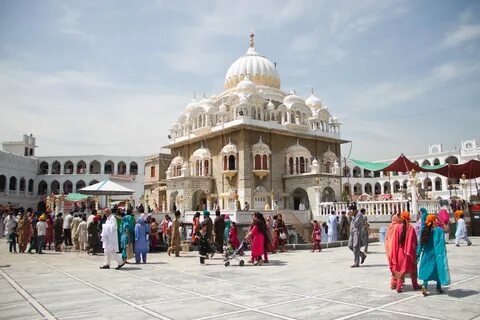
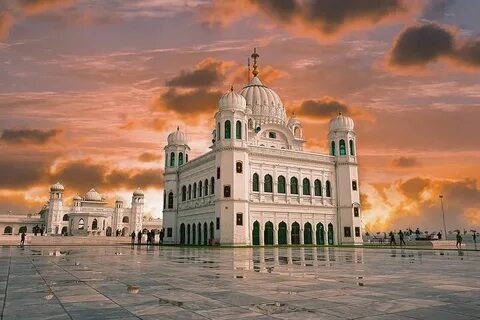
Kartarpur in Pakistan holds a position of unparalleled reverence in Sikhism as the final abode of Guru Nanak Dev Ji. After his extensive travels, the founder of the faith settled here for the last 18 years of his life, establishing the first Sikh community and embodying the principles of an honest livelihood and devotion. It was at this very site that he attained Joti Jot (passed away) in 1539. The Gurdwara Darbar Sahib Kartarpur marks this sacred ground, representing the culmination of his earthly journey and the foundational roots of Sikh practice. The recent establishment of the Kartarpur Corridor has transformed it into a powerful symbol of peace and accessibility, allowing pilgrims from India and beyond to visit this holiest of shrines without hindrance, fulfilling a long-held spiritual aspiration.The Gurdwara Darbar Sahib, built at the site of his original settlement, marks the spot where he attained Joti Jot in 1539. For centuries, the shrine remained visible yet inaccessible to many devotees due to the tense border between India and Pakistan. However, the historic opening of the Kartarpur Corridor in 2019 transformed it into a symbol of unity and spiritual freedom, allowing pilgrims to visit this holy site without a visa. Today, Kartarpur not only serves as a place of worship but also as a testament to Guru Nanak’s legacy of peace, equality, and universal brotherhood.


After completing his spiritual journeys, Guru Nanak settled here for the last 18 years of his life, establishing the first Sikh community and laying the foundation for Sikhism as a distinct religion. It was in Kartarpur that he cultivated the principles of Naam Japna (meditating on God), Kirat Karna (earning an honest living), and Vand Chakna.


TAXES INCL/PERS
TAXES INCL/PERS
TAXES INCL/PERS
TAXES INCL/PERS
TAXES INCL/PERS
TAXES INCL/PERS
To receive our best monthly deals
[mc4wp_form id=233]