

To More Inquiry

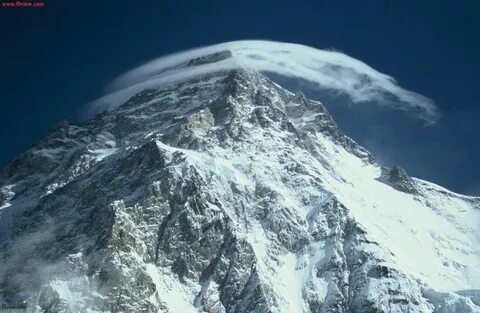
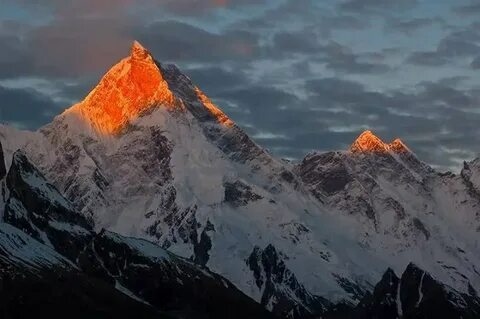
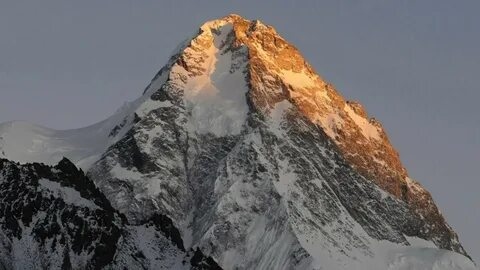
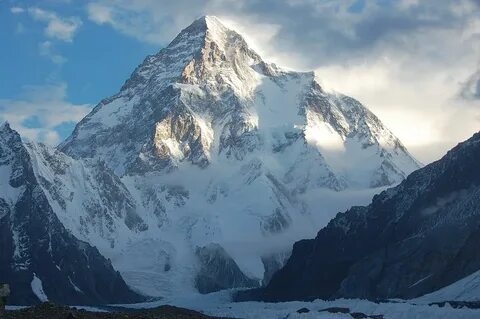
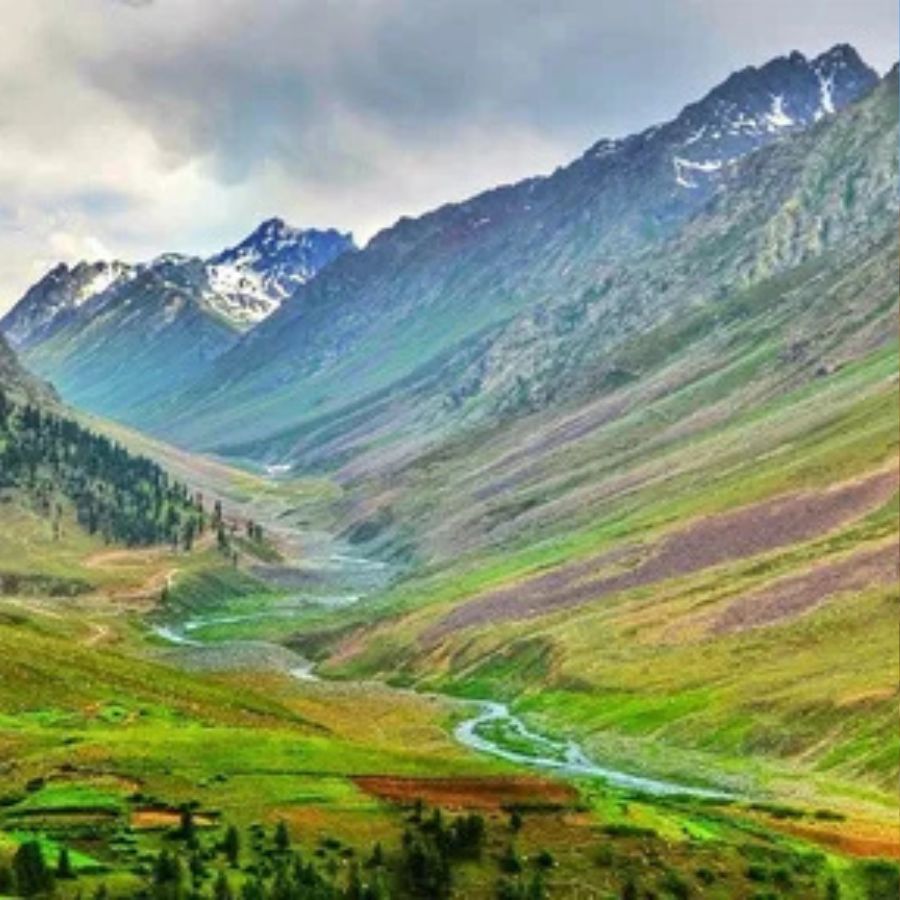
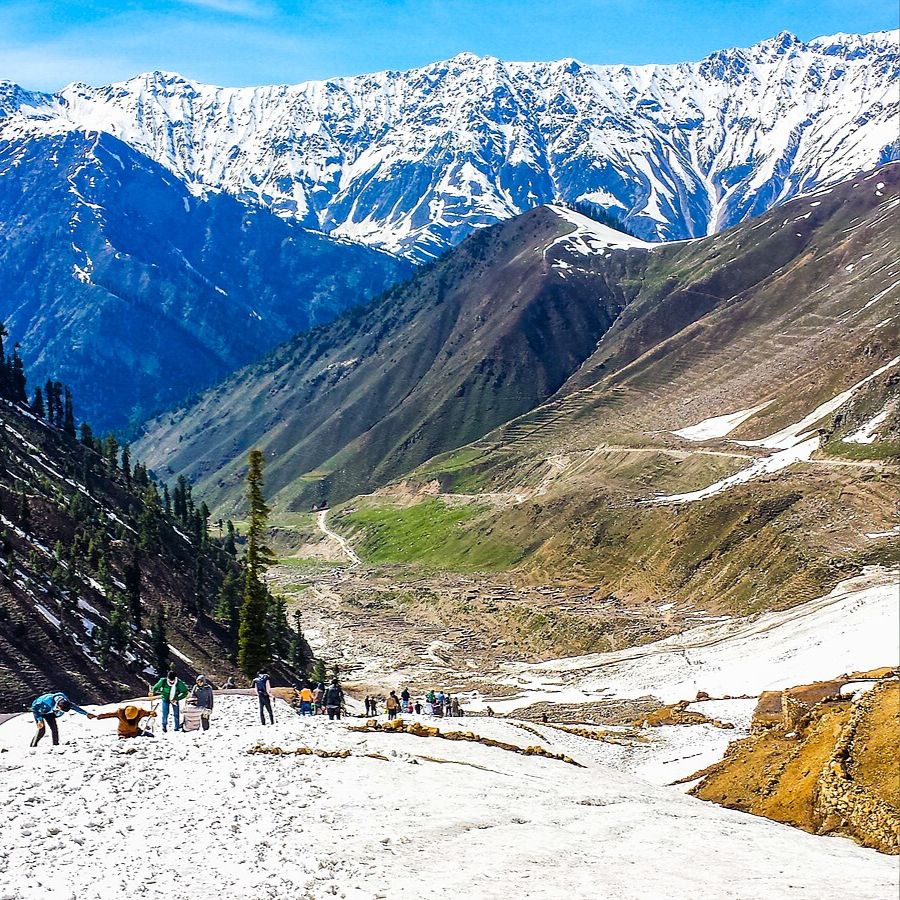
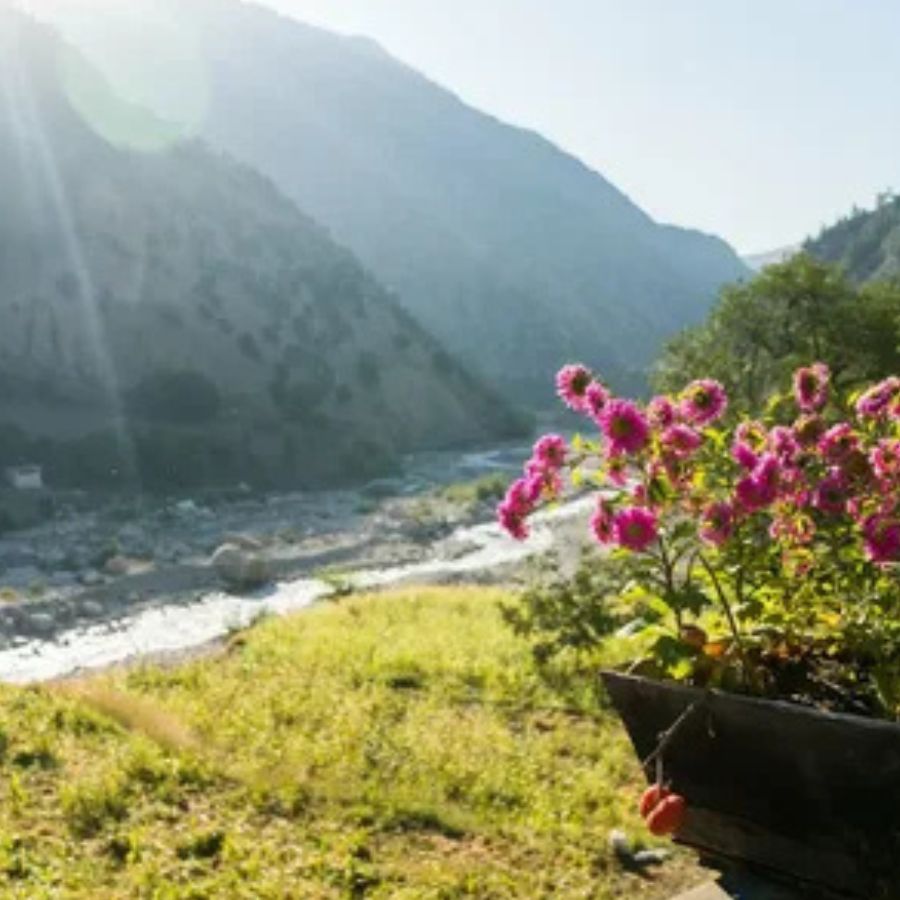
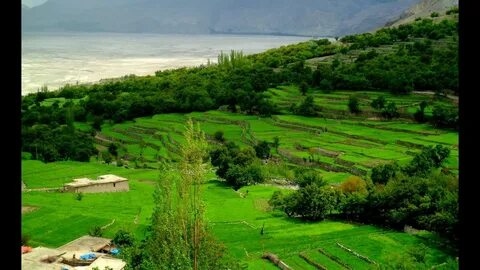
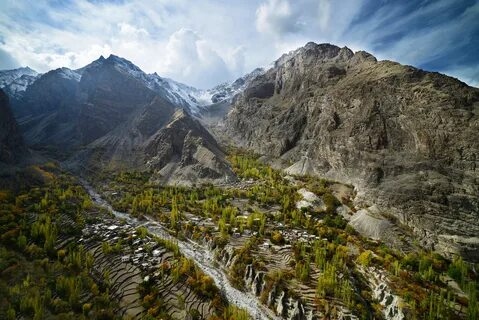
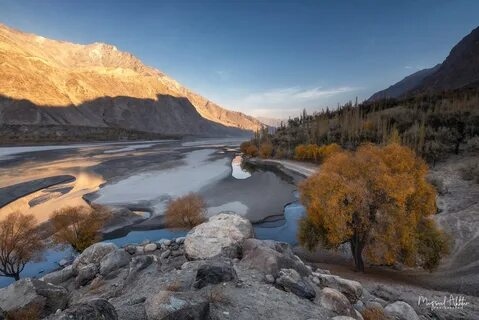
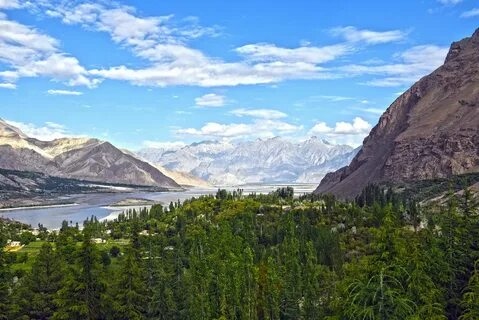
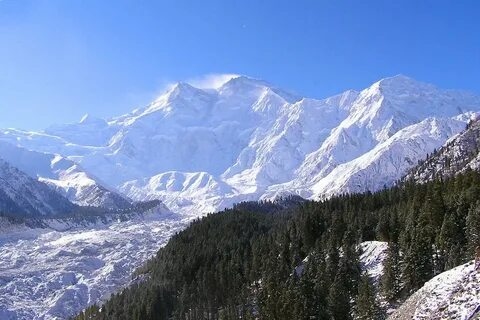
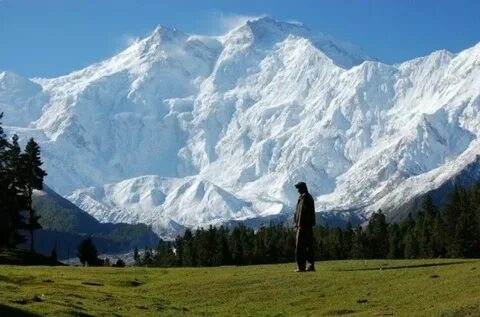
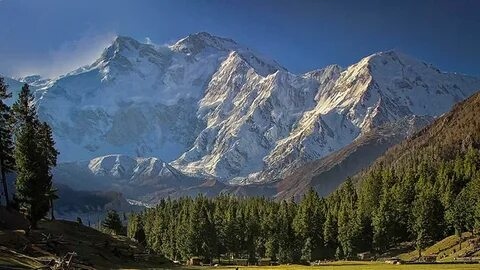
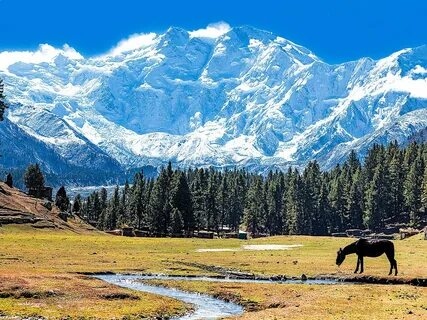
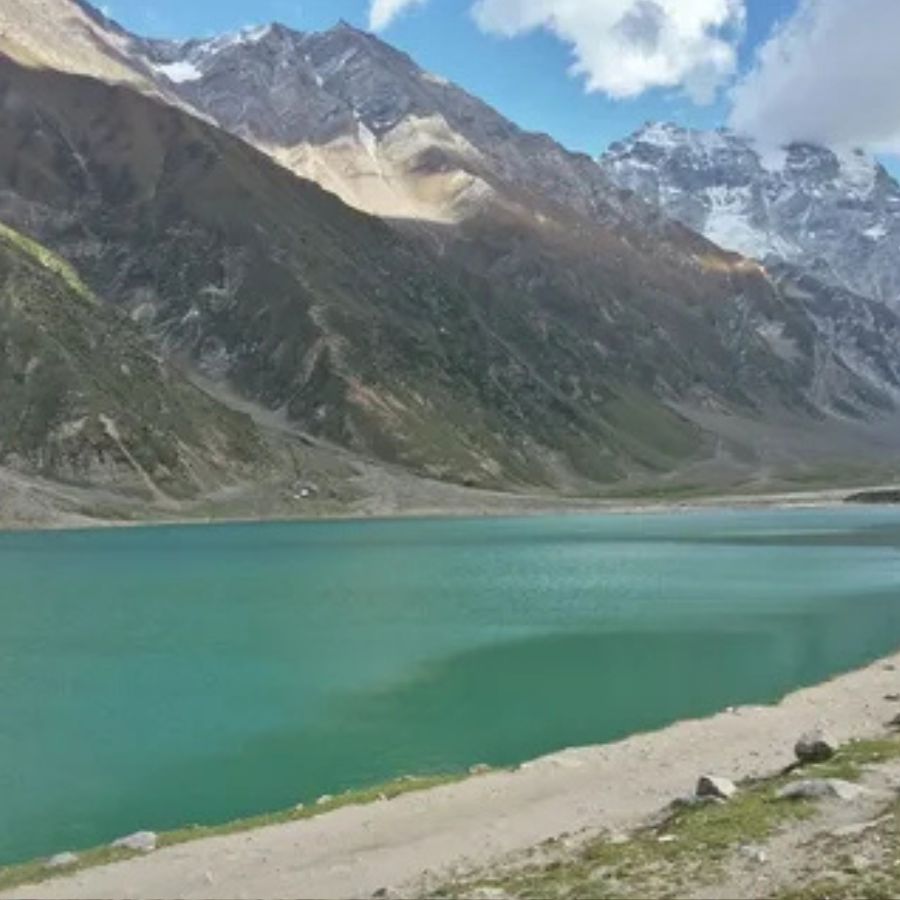
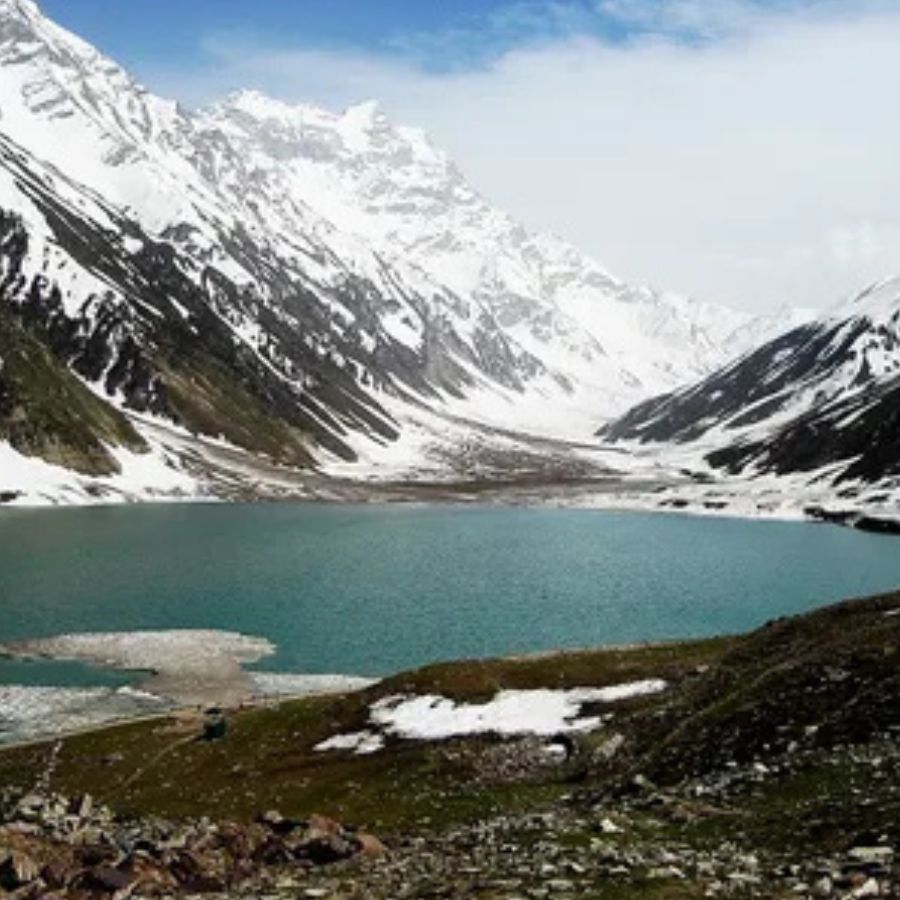
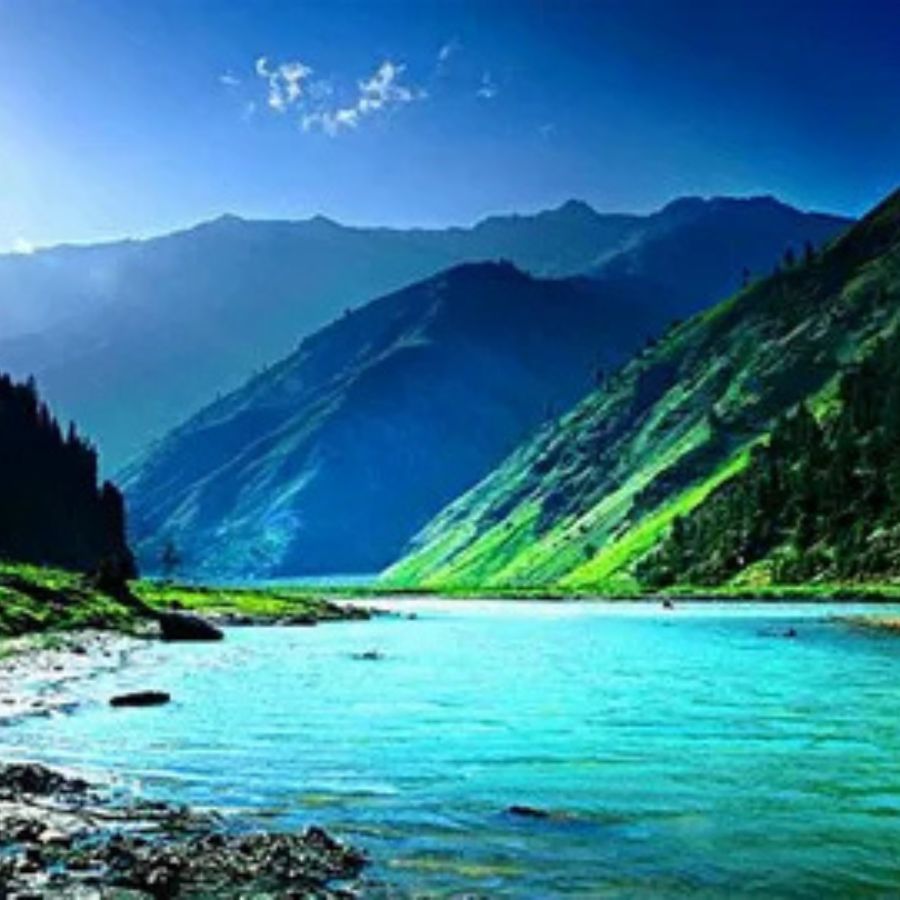
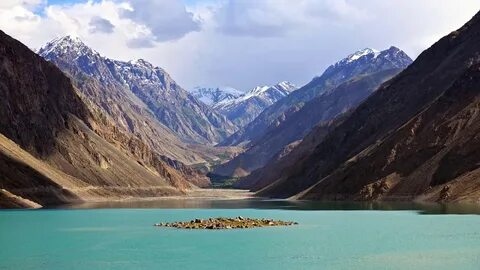
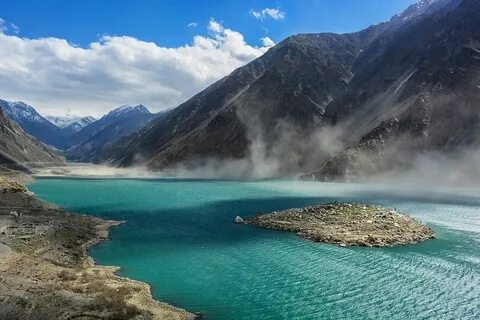
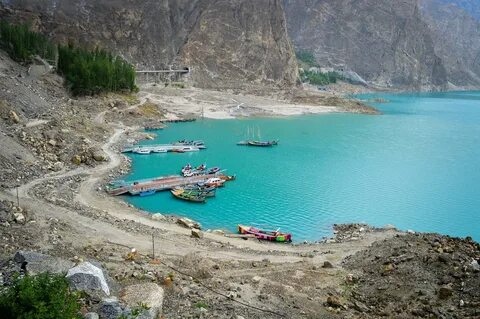
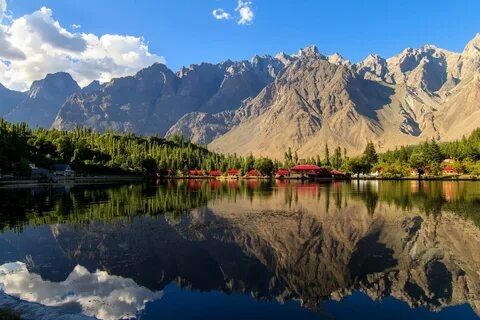
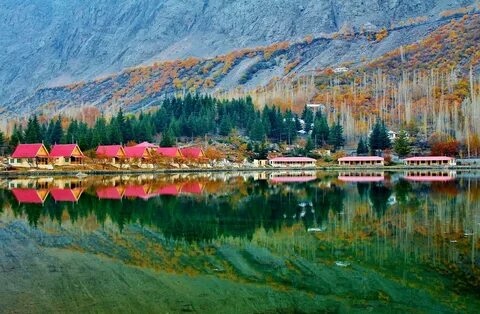
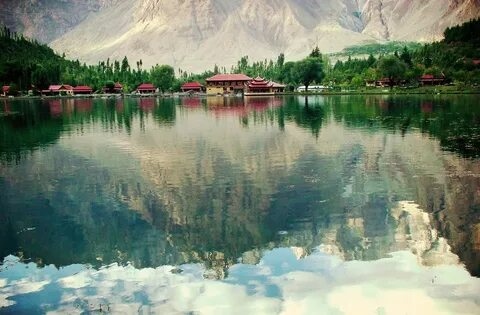
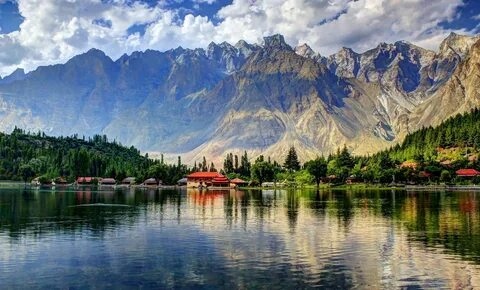
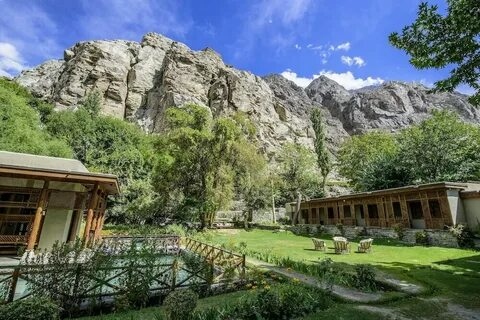
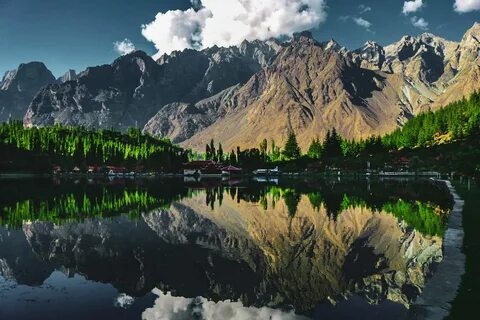
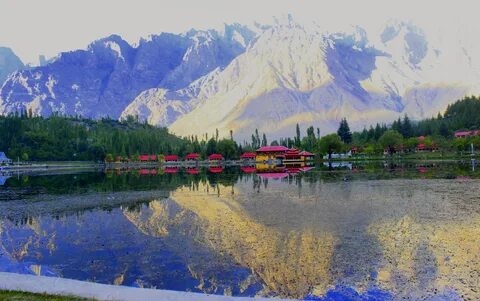
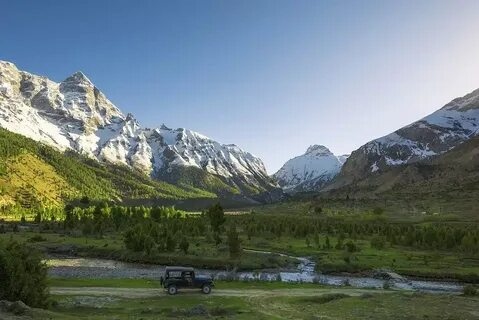
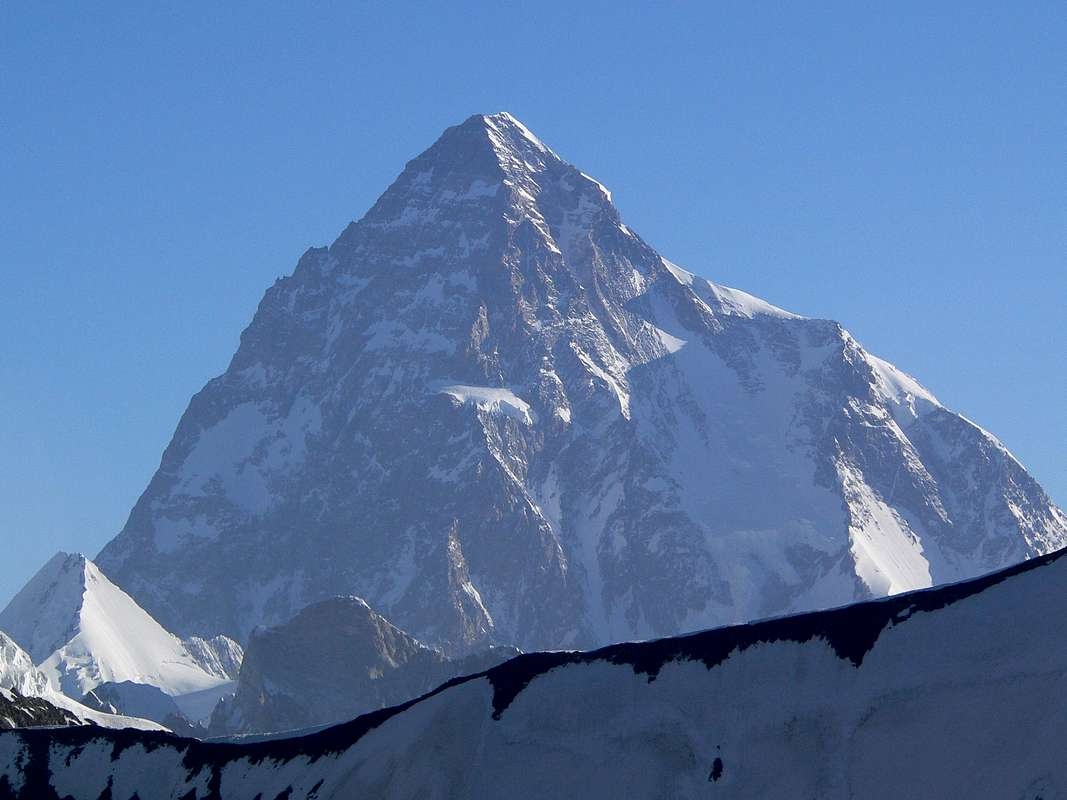
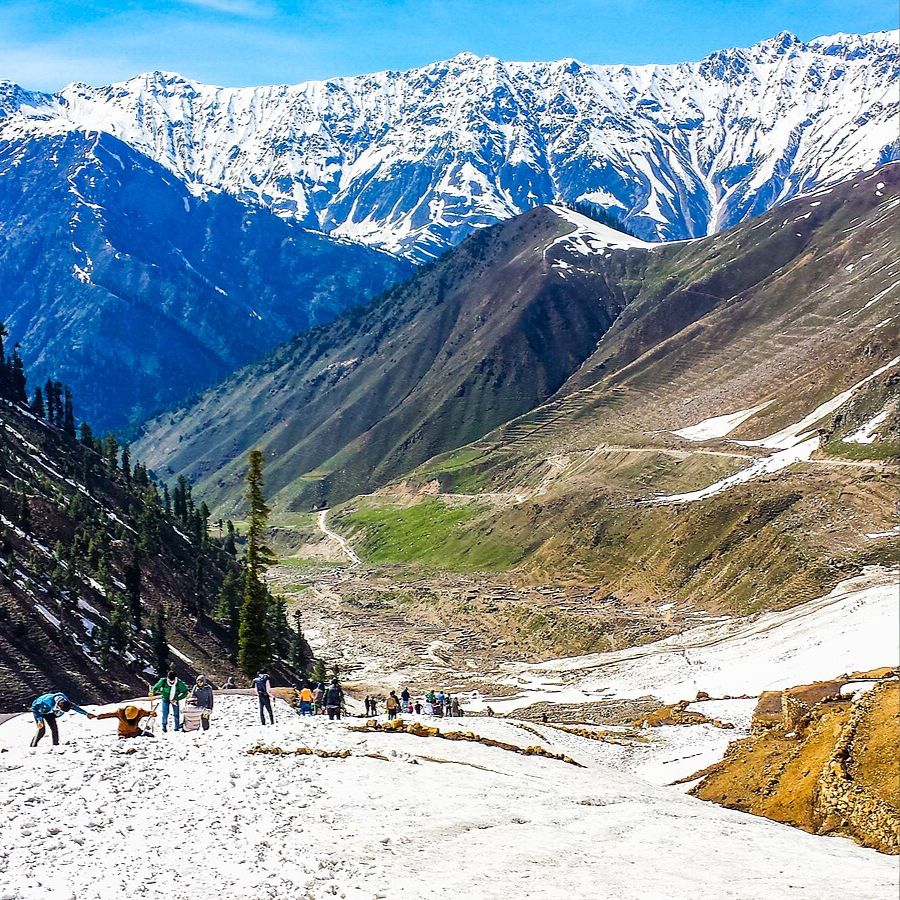
Gilgit-Baltistan (GB) is often called the “Paradise on Earth” for a reason. It’s a region where nature’s grandeur is seamlessly woven with ancient cultures and rich history. It’s not just a destination; it’s an experience.Gilgit-Baltistan (GB) is a colossal open-air museum of natural splendour and ancient human civilization, cradled in the heart of the world’s greatest mountain ranges—the Karakoram, Himalayas, and Hindukush. A journey here is not merely a trip; it’s a profound immersion into a landscape where nature operates on a mythical scale, and cultures have endured for millennia. The region’s tourism appeal is a powerful trinity of staggering nature, a deeply resilient culture, and unparalleled adventure.The natural grandeur of GB is its most immediate and awe-inspiring attraction. This is the realm of giants, home to five of the world’s fourteen 8,000-meter peaks, including the savage K2 and the formidable Nanga Parbat. These mountains feed some of the planet’s largest glaciers outside the polar regions, like the Baltoro and Biafo, which are not just rivers of ice but highways to mountaineering’s holy grails. The valleys carved by these forces are dotted with jewels: the surreal turquoise of Attabad Lake in Hunza, the alpine serenity of Rama Lake near Astore, and the breathtaking Sheosar Lake in the Deosai Plains. Speaking of Deosai, the “Land of Giants,” this vast rolling plateau at over 4,000 meters is a unique ecosystem, come summer alive with wildflowers and a protected population of Himalayan brown bears, offering a stark contrast to the rugged peaks that surround it.


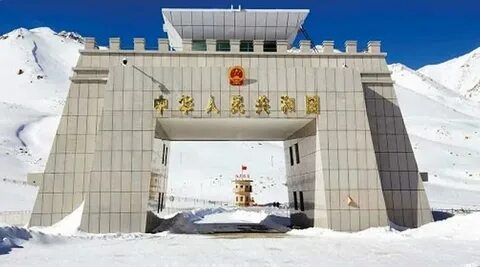
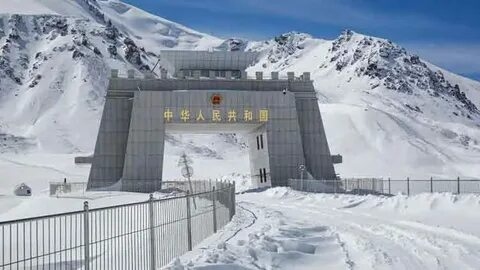
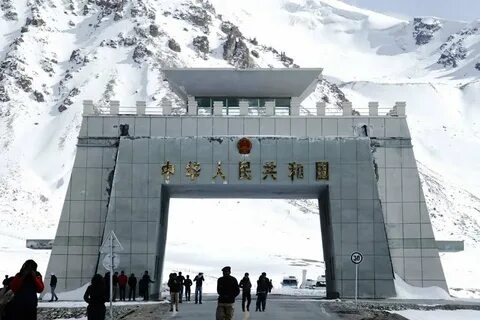
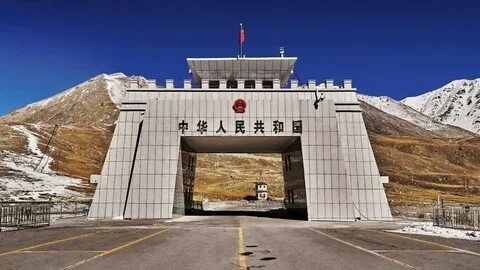
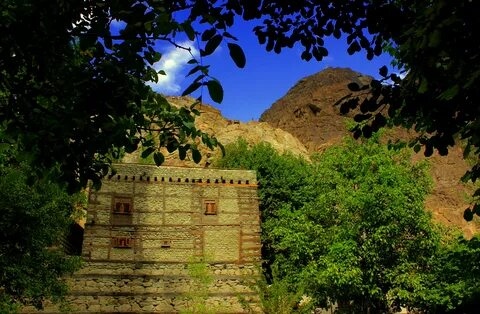
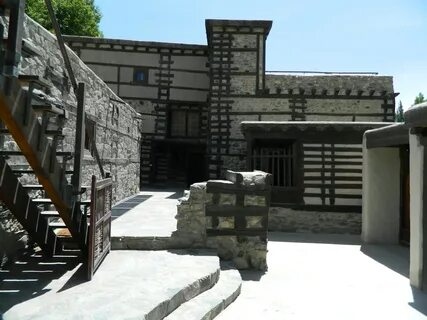
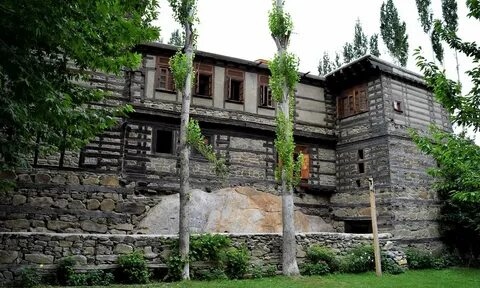
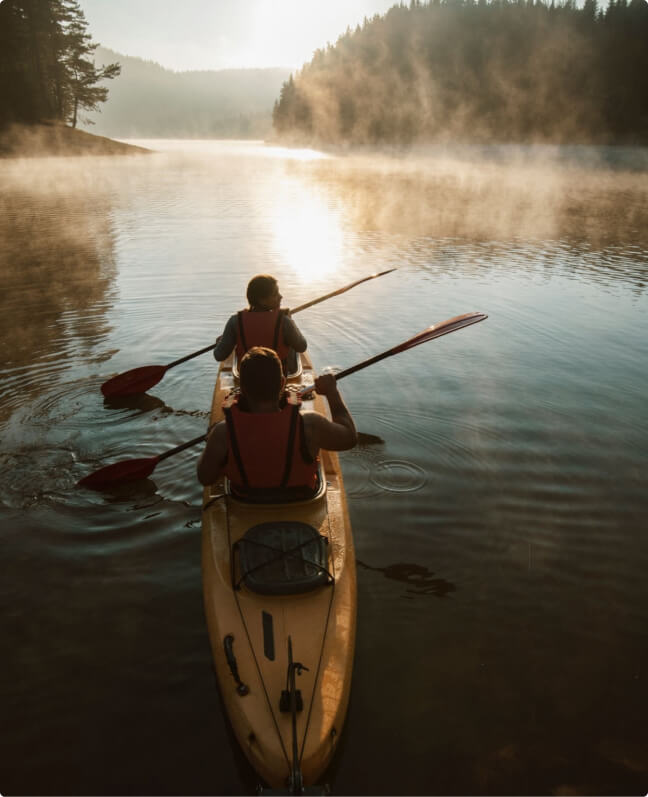
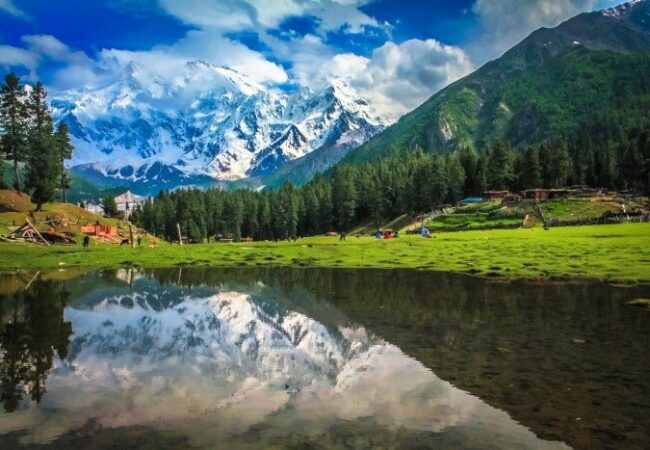
For the adventurous spirit, Gilgit-Baltistan is the ultimate playground. It is the premier trekking and mountaineering capital of the world, with expeditions to the base camps of K2 and Nanga Parbat being the stuff of legend. Trekking routes like the Snow Lake (Biafo-Hispar) and the Rush Phari trek are challenging yet rewarding journeys through pristine wilderness. For less strenuous but equally stunning experiences, hikes to Fairy Meadows at the foot of Nanga Parbat or around the Passu Glacier are unforgettable. The high-altitude passes, particularly the Khunjerab Pass on the border with China, offer a chance to stand at the rooftop of the world and spot rare wildlife like the Marco Polo sheep.Beyond the landscapes, the cultural tapestry of Gilgit-Baltistan is equally rich. The history is etched into the very stones of its ancient forts and mosques. The majestic Baltit Fort and the older Altit Fort in Hunza stand as sentinels of a bygone era, telling tales of mirror princes and strategic ingenuity. Similarly, the restored palaces of Shigar and Khaplu are not just museums but living testaments to the architectural genius of Balti culture, blending Tibetan and Mughal influences into serene and powerful structures.


TAXES INCL/PERS
TAXES INCL/PERS
TAXES INCL/PERS
TAXES INCL/PERS
TAXES INCL/PERS
TAXES INCL/PERS
To receive our best monthly deals
[mc4wp_form id=233]